Learning is not complete when you understand a concept. Learning is complete when you can remember and apply it at the right time.
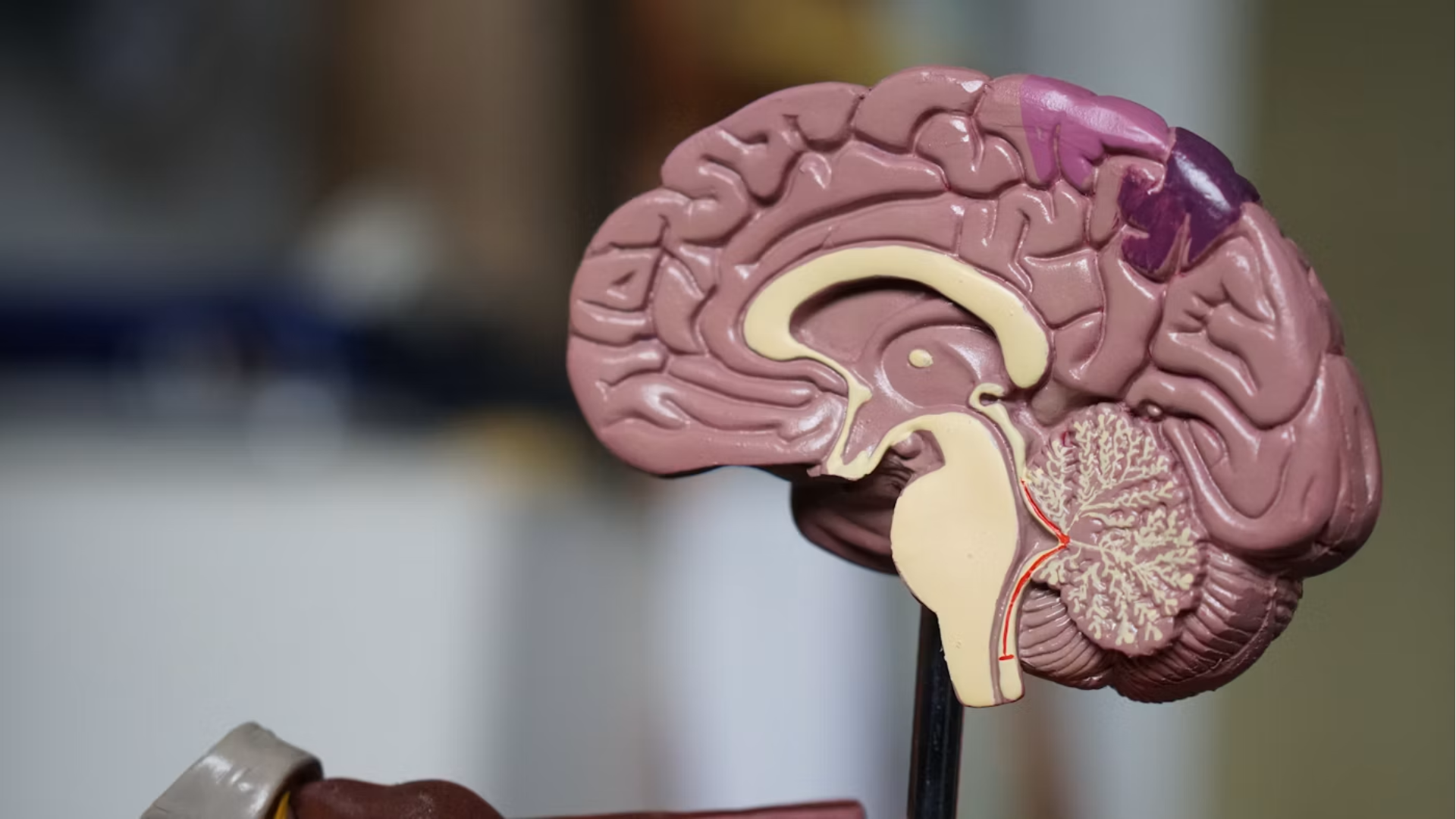
One of the most common questions asked by NEET aspirants is: "I study sincerely, but why do I forget what I learned?" This experience is completely normal. The human brain is designed to filter information. Unless knowledge is reviewed and actively used, some of it naturally fades over time.
How Does Memory Work?
| Stage | What Happens | How to Strengthen It |
|---|---|---|
| Encoding | New information enters the brain through attention and active reading | Pay careful attention in class; read actively rather than passively |
| Storage | The brain stores information based on meaning and connections | Build deeper understanding; connect new concepts to what you already know |
| Retrieval | The ability to recall information when solving questions or writing exams | Practise active recall regularly; solve MCQs and explain concepts aloud |
Framework
The MEMORY Framework
Meaning
Understand the concept before attempting to memorise it. Meaningful learning lasts far longer than mechanical memorisation.
Engage
Take notes, draw diagrams, teach the concept to a friend. Active participation strengthens learning more than passive reading.
Multiple Revisions
One revision is rarely enough. Review concepts at planned intervals over days and weeks, not hours.
Organise
Arrange information using flowcharts, tables, mind maps, or summary notes. Organised information is consistently easier to remember.
Retrieve
Close your notebook and try recalling the concept from memory. Retrieval practice strengthens long-term learning more than rereading.
Your Practice
Solve MCQs and numerical problems regularly. Application converts memory into usable knowledge that works under examination conditions.
OJAS ONE Expert Insight
Students often believe they have forgotten everything when they sit down to revise. However, when they begin solving questions, they realise much of the information is still available in memory. Regular retrieval practice helps make that information easier to access during examinations. Do not judge your memory only by how much you can recall instantly. Judge it by how well you can apply concepts correctly when it matters.
Key Takeaways
- Understanding is the foundation of memory, not repetition alone
- Active recall strengthens learning more than passive rereading
- Revise at regular intervals rather than cramming in one session
- Solve questions regularly to convert memory into usable knowledge
- Connect ideas across topics rather than memorising isolated facts
- Maintain healthy habits that support effective learning every day
The strongest memory is built not by reading more, but by understanding better, revising wisely, and practising consistently.
About This Series
The OJAS ONE Smart Solver Series is a knowledge initiative by OJAS ONE Academy of Excellence designed to help NEET aspirants develop scientific learning habits, stronger problem-solving skills, and effective examination strategies. Each article focuses on practical techniques that students can apply immediately during their preparation and in the examination hall.

Prof. Hanumantha Rao Y
Founder & Academic Director, Chemistry